
Vinci Stories · Editorial preview
The Starry Night: Observation and Imagination
Which parts of a painted sky come from looking and which from imagining?
- Artist
- Vincent van Gogh
- Work
- The Starry Night
- Date
- 1889
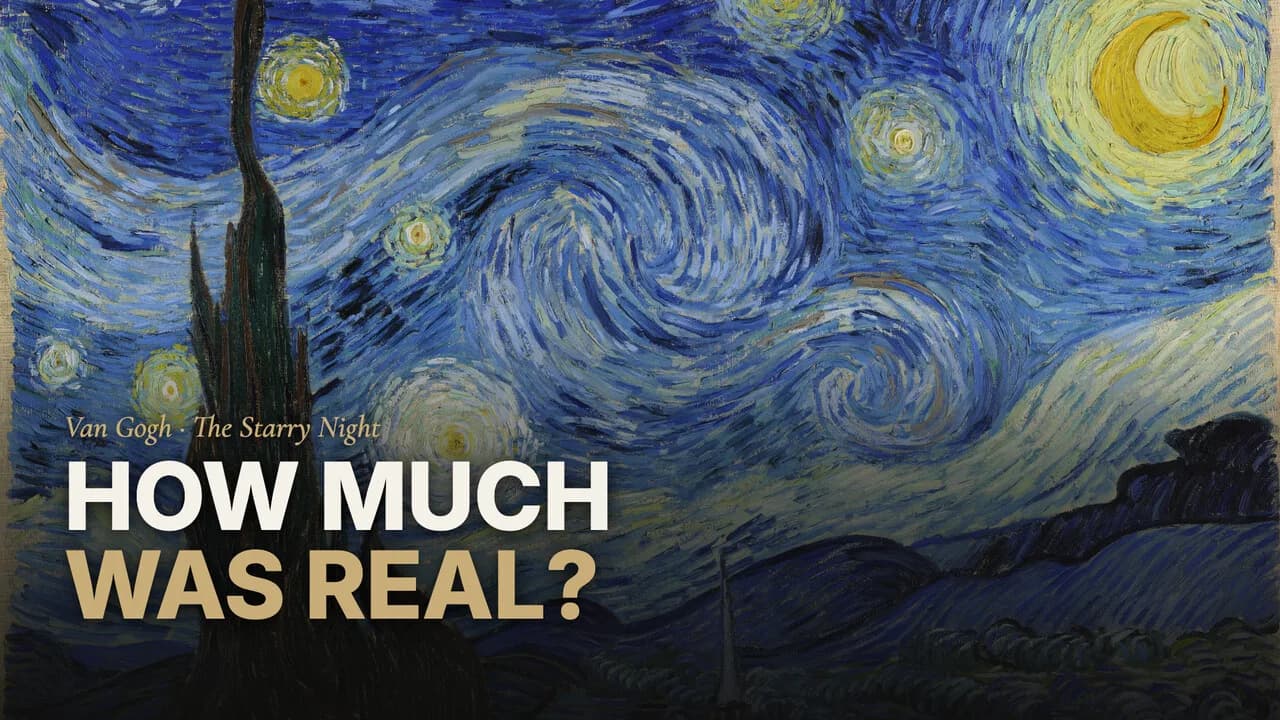
The film
A verified watch link, captions, transcript, approved image credits and video metadata will appear here after release approval.
Van Gogh’s night sky feels specific but is not a literal chart of the heavens. The painting offers a rich case study in the relationship between observed motifs and expressive transformation.
The story behind the work
The bright points and moving curves do not all belong to the same kind of description.
Identifying Venus in historical discussions of the painting can enrich an account, but astronomical claims should be checked against dated evidence.
Rather than treating deviation from optical reality as an error, the painting asks what artists can communicate by transforming what they see.
How to look closer
Compare composition and directional movement before discussing individual astronomical identifications.
Separate astronomical reconstructions from the artist’s painted choices.
Include the chronology and location of the work in the fully sourced release.
What the editorial team is checking
- Can the celestial identification be documented from credible scholarship?
- How should we caption reconstructed sky comparisons?
Know someone who should see this?
Send them the story of The Starry Night.